History & Generations of Computer (1st–5th)
🕰️ History of Computer
🔹 Early Computing Devices

Before modern computers, people used simple tools:
- Abacus → First counting device (used in ancient times)
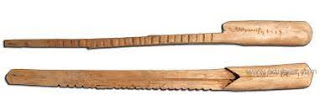
- Napier’s Bones → Used for multiplication
- Pascaline → Mechanical calculator by Blaise Pascal
- Analytical Engine → Designed by Charles Babbage (considered first concept of computer)
👉 These inventions led to modern computers.
⚡ Generations of Computer
Computers are divided into 5 generations based on technology used.
🧱 1st Generation (1940–1956) – Vacuum Tubes
🔹 Features:
- Used vacuum tubes
- Very large in size
- Generated a lot of heat
- Consumed high electricity
🔹 Examples:
- ENIAC
- UNIVAC I
🔌 2nd Generation (1956–1963) – Transistors
🔹 Features:
- Used transistors instead of vacuum tubes
- Smaller, faster, less heat
- More reliable
🔹 Languages:
- FORTRAN, COBOL
🧩 3rd Generation (1964–1971) – Integrated Circuits (IC)
🔹 Features:
- Used IC (Integrated Circuits)
- More compact and efficient
- Introduction of keyboard & monitor
🔹 Example:
- IBM System/360
💻 4th Generation (1971–Present) – Microprocessors

🔹 Features:
- Used microprocessors
- Very small, fast, affordable
- Development of personal computers (PCs)
🔹 Example:
- Intel 4004
🤖 5th Generation (Present & Future) – Artificial Intelligence
🔹 Features:
- Based on Artificial Intelligence (AI)
- Can learn, think, and make decisions
- Uses machine learning & quantum computing
👉 Example:
- AI systems, robotics, voice assistants
📊 Quick Summary Table
| Generation | Technology | Main Feature |
|---|---|---|
| 1st | Vacuum Tubes | Large, slow, hot |
| 2nd | Transistors | Smaller, faster |
| 3rd | IC | More efficient |
| 4th | Microprocessor | Personal computers |
| 5th | AI | Smart machines |
📌 Conclusion
The evolution of computers shows how technology moved from huge machines to smart AI systems, making computers faster, smaller, and more powerful.


Comments
Post a Comment